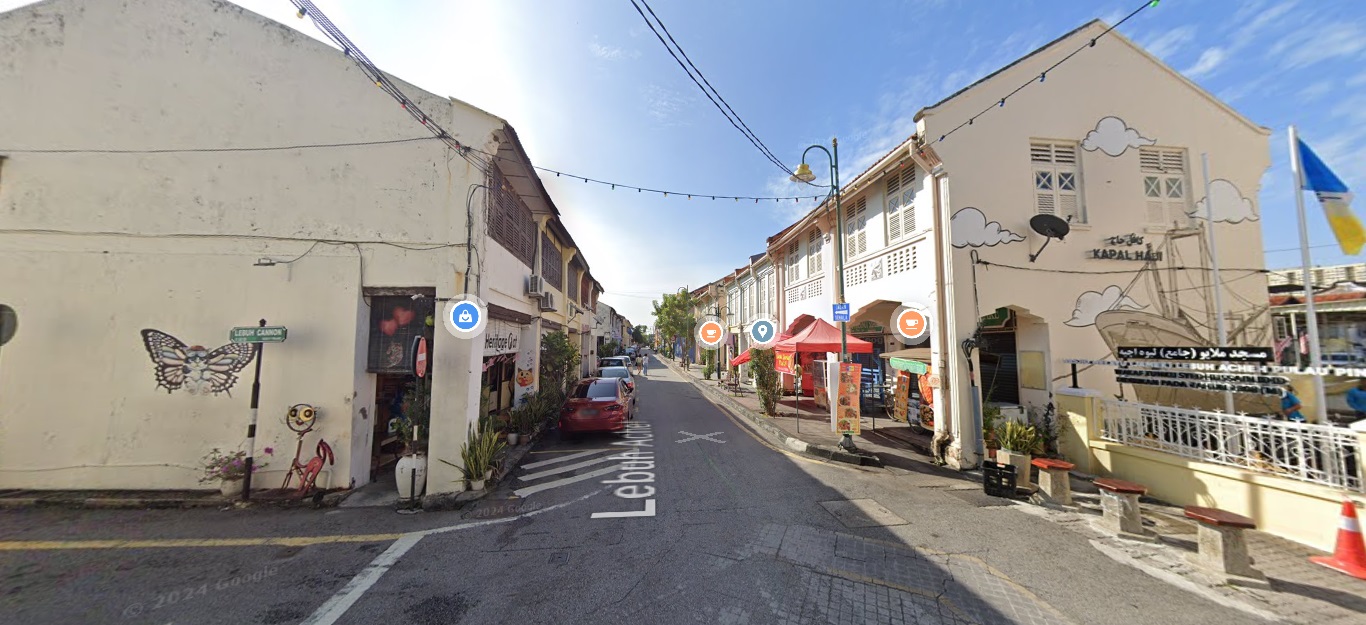
Georgetown, Penang, is a UNESCO World Heritage Site, celebrated for its unique architectural and cultural townscape. The city's property landscape is a fascinating blend of different eras and influences, primarily reflecting a history of trade and cultural exchange between East and West. The properties are not just buildings; they are a testament to the city's living, multicultural heritage.
Types of Properties
The historic city is home to over 5,000 buildings, which can be broadly categorized into several types:
- Shophouses: These are the most common and iconic type of property in Georgetown. They are typically two or three-story, narrow, and deep buildings with a commercial space on the ground floor and living quarters above. They often feature a "five-foot way" (kaki lima), a covered walkway for pedestrians.
- Bungalows and Mansions: These were often the residences of wealthy merchants, particularly the Peranakan (Straits Chinese) families, and colonial officials. Notable examples include the Cheong Fatt Tze Mansion (The Blue Mansion) and the Pinang Peranakan Mansion.
- Religious Buildings: The city's multicultural fabric is evident in its diverse places of worship, often located side-by-side. These include mosques, Chinese temples, Hindu temples, and churches.
- Water Villages (Clan Jetties): These are unique settlements built on stilts over the water, where Chinese immigrant communities, each named after their clan (e.g., Chew Jetty), once lived and worked as fishermen and traders.
- Colonial Administration and Commercial Buildings: These properties, particularly in the financial and institutional zones, include government offices, banks, and trade buildings that reflect the British era.
Architectural Styles
The architecture in Georgetown is a fusion of Malay, Chinese, Indian, and British colonial styles, creating a unique "Straits Eclectic" look.
- Shophouse Styles: There are six main styles of shophouses, each representing a different historical period, from the simple Early Penang style of the late 18th century to the more decorative Southern Chinese Eclectic and Art Deco styles of the early 20th century.
- Colonial British: This includes a range of styles like Edwardian Baroque, Georgian, and Victorian, seen in grand structures like the City Hall, Town Hall, and St. George's Church.
- Peranakan: The mansions of the Peranakan community are a lavish blend of Chinese, Malay, and European influences, with intricate wood carvings, porcelain tiles, and grand courtyards.
- Religious Architecture: Places of worship showcase the architectural traditions of their respective cultures, such as the Mughal-style domes and minarets of the Kapitan Keling Mosque or the traditional Chinese features of the Kuan Yin Temple.
Conservation and Regulations
Due to its UNESCO status, the properties in Georgetown are subject to strict conservation guidelines. Buildings are categorized based on their historical and architectural significance:
- Category I: Buildings of exceptional interest, reflecting the authenticity of the cultural landscape. Any repairs must use authentic, traditional methods and materials, and the original use should be maintained.
- Category II: Buildings of special interest that warrant preservation. This includes the majority of the shophouses.
The George Town Special Area Plan serves as the Conservation Management Plan for the heritage city, and organizations like George Town World Heritage Incorporated provide professional consultation to building owners to ensure restoration and conservation works adhere to the established guidelines. This careful management ensures that the city retains its character and value while adapting to modern life.