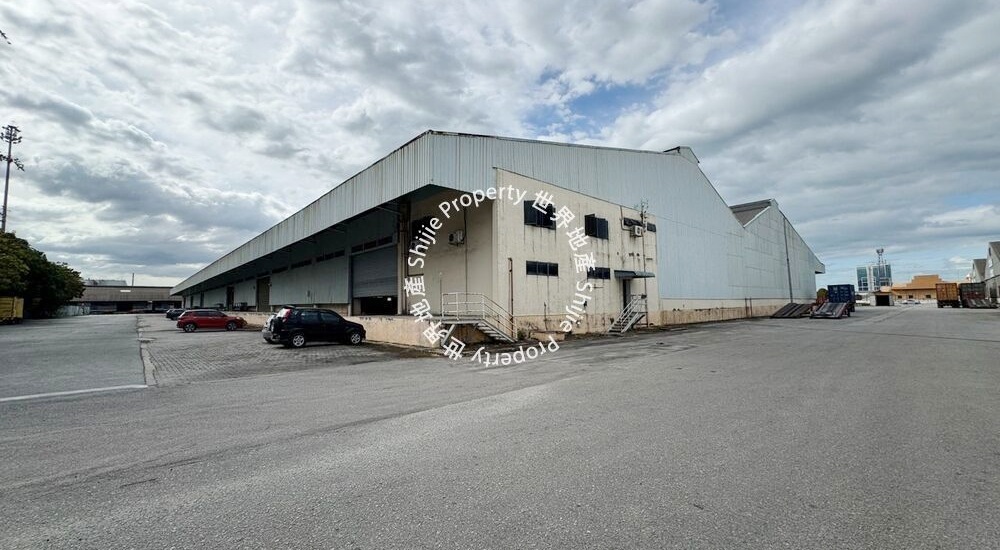
The warehouse facilities at the Butterworth Deep Water Wharves (BDWW) in Penang are a vital component of the port's multi-purpose operations. Managed by Penang Port Sdn Bhd, these facilities are primarily designed to handle break-bulk cargo and general merchandise.
Below is a detailed description of the warehousing and storage landscape at this location:
1. Free Commercial Zone (FCZ) Status
The BDWW is a gazetted Free Commercial Zone, which is the most defining feature of its warehouses. This status offers significant advantages for businesses:
- Tax/Duty Suspension: Goods can be imported, stored, and re-exported without payment of customs duty, excise duty, or sales tax.
- Value-Added Activities: Tenants are permitted to carry out activities such as break-bulking, grading, re-labeling, re-packing, and consolidation within the warehouse premises.
- Transshipment Hub: It serves as a strategic point for cargo moving between international markets, particularly the Bay of Bengal and East Asia.
2. Physical Infrastructure & Storage
The warehouses are integrated with the wharf system (6 berths totaling 1.05 km) to facilitate rapid movement from ship to shed.
- Transit Sheds & Warehouses: Extensive indoor storage areas are available for moisture-sensitive goods like manufactured products, fiberboards, and iron/steel products.
- Open Storage: Large open stockpile areas are used for weather-resistant cargo, such as modular houses and certain agricultural products.
- Specialized Facilities: The terminal includes a Urea Export Depot operated by Petronas Chemical Fertilizers, with a dedicated capacity of 350,000 tonnes per annum.
3. Connectivity & Logistics
The warehouses at BDWW are uniquely positioned for intermodal transport:
- Rail Link: The terminal is connected to the national railway grid (KTMB), allowing cargo to be moved directly by train to Thailand or the Klang Valley.
- Road Access: Immediate access to major highways (North-South Expressway) via the Butterworth Outer Ring Road (BORR).
- Equipment: The facility is supported by a fleet of forklifts, prime movers, and trailers to handle cargo transitions between the berths and the warehouses.
4. Commercial Availability
While the port authority manages the core infrastructure, several private logistics firms operate within or adjacent to the BDWW:
- Third-Party Logistics (3PL): Companies like CNC Freight Services operate bonded warehouses (e.g., Warehouse D2) within the FCZ.
- Industrial Estates: The wharves are bordered by the Mak Mandin and Raja Uda industrial zones, where many "Licensed Manufacturing Warehouses" (LMW) are located to support export-oriented manufacturing.
